Professional Painting Services: Enhance Your Space With Skilled Craftsmanship
Painting contractor services provide homeowners with valuable options for updating their living areas. These professionals tackle issues like mold treatment and surface conditioning, guaranteeing durable outcomes. Their expertise extends to the science of color selection, which defines the mood of an interior. Understanding the intricacies of hiring a contractor can significantly influence the results of a painting job. As homeowners consider their options, various critical elements become relevant that warrant further exploration.
What Solutions Do Professional Painting Contractors Provide?
Professional painting contractors address numerous challenges commonly encountered by homeowners and businesses. A key concern involves the need for surface preparation, involving cleansing, sanding, and priming surfaces to ensure optimal paint adhesion. This step is critical for delivering a seamless, durable result. Moreover, contractors work to uncover and address hidden concerns such as mold or moisture damage which can undermine both visual appeal and structural stability.
Time management is another vital concern, as skilled painters are able to finish projects faster than those without experience, allowing clients to focus on their daily activities. Moreover, contractors possess the expertise to select appropriate paint types and colors, guaranteeing that the final result meets the client's vision and withstands environmental factors. Safety is likewise a top priority; specialists are skilled in dealing with harmful materials and utilizing equipment appropriately, limiting dangers involved in the painting operation. In summary, skilled painting contractors deliver essential answers to difficult problems across residential and commercial environments.
Important Painting Approaches and Their Benefits
Skilled painting techniques serve an important function in delivering superior outcomes in both home and business projects. Spray painting is one of the most popular methods, which enables a seamless and even application and is highly beneficial for broad spaces or complex designs. A second essential method is the brush and roll approach, which ensures improved accuracy at edges and corners, achieving a refined finish.
Moreover, approaches such as rag rolling or sponging can introduce depth and texture, improving the overall appearance of a living area. The use of priming before painting is essential, as it improves adhesion and extends the lifespan of the final coat.
Moreover, appropriate surface prep, which includes cleaning and sanding, greatly affects the end result. Each method delivers unique advantages, leading to a professional and refined finish. By selecting the right methods, professional painters can completely transform areas, attaining results that fulfill or exceed the expectations of their clients.
The Role of Color Consultation in Your Space
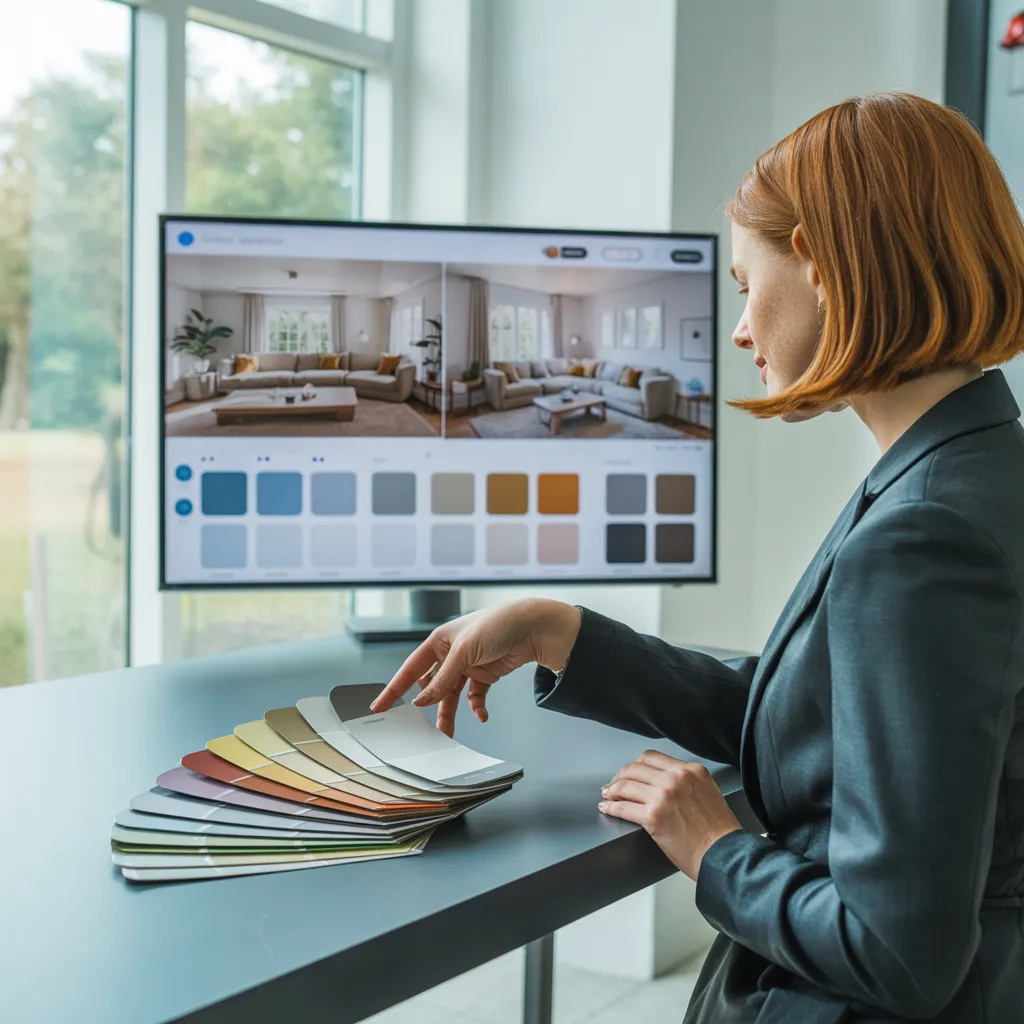
Color consulting serves a vital role in defining the ambiance of a space. By recognizing how colors affect psychology, homeowners can craft surroundings that promote intended moods and actions. Moreover, well-selected colors can complement existing furnishings, elevating the visual appeal of virtually any space.
The Psychology Behind Colors
When picking hues for a space, one must consider the deep psychological impacts colors can have on mood and behavior. Colors affect emotions and behaviors, determining how occupants perceive their surroundings. For instance, warm tones like yellows and reds can evoke feelings of vitality and comfort, while cooler tones like teals and blues tend to foster serenity and relaxation. Neutral tones create an adaptable setting ideal for relaxation or concentration. Understanding these effects is essential for designing balanced environments suited to particular requirements. Specialized color advisory can support clients in selecting well-considered options, making certain that the selected palette aligns with the planned aesthetic, consequently elevating both practicality and beauty in the space.
Blending With Your Existing Decor
A thoughtful approach to complementing the existing design scheme can significantly improve the visual appeal of a room. Professional color guidance serves a critical function in achieving this balance. Experts assess the existing features, such as decor, artwork, and structural details, to recommend color palettes that harmonize rather than conflict. By considering elements such as natural light and room function, they develop unified spaces that inspire intended atmospheres. This process often encompasses selecting shades that unite different elements, ensuring a seamless flow throughout the space. At its core, professional color guidance not only improves the overall look but also cultivates an atmosphere of unity and relaxation, making the area feel more inviting and representative of unique preferences.
Measuring Contractor Quality
What steps can homeowners take to properly assess the quality of a painting contractor? Appraising contractor quality involves several key steps. Initially, looking through portfolios of completed work can reveal important information about the contractor's approach and thoroughness. Homeowners are encouraged to search for online reviews and client testimonials, which can shed light on past experiences and customer satisfaction. Checking for appropriate licenses and insurance is essential, as these credentials demonstrate professionalism and accountability.
In addition, obtaining several estimates can assist in determining the prevailing rate and the contractor's reliability in offering comprehensive quotes. Requesting recommendations from prior customers allows homeowners to directly inquire about the contractor's work ethic and quality. Finally, reviewing communication abilities during initial interactions can demonstrate how successfully the specialist will engage throughout the work. By adhering to these guidelines, homeowners can reach well-considered conclusions and identify a reliable painting contractor that suits their requirements.
Critical Questions to Ask Your Paint Contractor?
When hiring a painting contractor, it is essential to ask specific questions to secure a successful project. Essential aspects to address include the contractor's experience and expertise, the planned timeframe and availability, and suggestions for suitable paint options. Addressing these points can help homeowners arrive at thoughtful choices and establish clear guidelines.
Expertise and Experience Level
Examining the expertise and experience of a painting contractor is crucial for ensuring a successful project. Clients should ask about the contractor's years in the industry, as significant experience often is associated with improved skills and the ability to solve problems. Additionally, verifying relevant credentials or training can provide insight into the contractor's commitment to quality. It's advisable to ask for examples of past projects, as a strong portfolio can showcase versatility and craftsmanship. References and client reviews also provide useful insights into the contractor's trustworthiness and work ethic. Understanding the contractor's familiarity with various painting techniques and materials can further assure clients that their individual requirements will be addressed, resulting in a more rewarding experience.
Scheduling and Project Timeline
Grasping the timeline and scheduling of a painting project is essential for homeowners to manage their expectations. When engaging a professional painter, key questions should center around the estimated duration of the work and the working availability of the contractor. Homeowners should look into any factors that may influence the timeline, such as weather-related factors or the surface preparation required for painted surfaces. It is also necessary to discuss the contractor's working hours and any potential interruptions that could arise. By creating a well-defined schedule, homeowners can better coordinate other aspects of their schedules, ensuring minimal disruption during the painting process. In the end, clear communication regarding scheduling fosters a more streamlined and efficient project experience.
Paint Type Guidelines
Picking the appropriate variety of paint can considerably influence the result of a painting endeavor. Residents should discuss options with their paint professionals about several paint options, including latex, oil-based, and specialty paints. All of them provide distinct advantages; for instance, latex paints dry quickly and are simple to maintain, while oil-based paints provide lasting performance and a refined finish. Additionally, factors such as sheen—matte, eggshell, satin, semi-gloss, or gloss—can impact the final appearance and care demands. Contractors can also recommend eco-friendly alternatives for those focused on environmental responsibility. By addressing individual requirements and desires, clients can be confident they choose the most suitable paint type to improve their environment efficiently and satisfy enduring performance goals.
Readying Your Space for a Professional Paint Job
Before any paint is applied to the wall, thorough preparation of the room is necessary for accomplishing a polished outcome. This process begins with removing furniture and covering floors with drop cloths to protect against spills. Surfaces should be completely washed to remove dust and grease, guaranteeing optimal paint adhesion. All holes or blemishes need to be patched with spackle and sanded even; this stage is critical for a consistent look. Moreover, tape ought to be secured along edges, like baseboards and windows, to establish precise lines and stop paint from bleeding. Good ventilation is also necessary, so opening windows or operating fans can help ensure a safe working atmosphere. In conclusion, examining the lighting conditions in the area will help in determining the ideal paint tones. By following these steps, homeowners can set the stage for a professional paint job that enhances the overall aesthetic of their space.
Common Questions and Answers
How Much Time Does a Standard Painting Project Usually Take?
A standard painting project typically needs one to two weeks to be completed, subject to the scope and intricacy of the space, prep work needed, and the number of coats necessary for ideal results.
What Paint Finish Options Are There for My Project?
Multiple paint finish options are accessible, including matte, eggshell, satin, semi-gloss, and gloss. Each option delivers a different look and level of durability, accommodating a range of aesthetic tastes and functional needs for both interior and exterior surfaces.
Is It Necessary for Me to Be Home During the Painting Process?
Homeowners are not required to be present during the painting process. Nevertheless, being available for questions or decisions can improve communication and ensure the project meets their expectations, which leads to a more satisfying overall outcome.
Which Season Is Ideal for Exterior Painting Projects?
The optimal time of year for exterior painting projects is generally the period spanning late spring to early fall. Throughout this period, weather conditions are moderate, humidity is reduced, and the go to article weather is perfectly suited for paint to bond and cure, ensuring lasting results.
Do Eco-Friendly Paint Options Exist?
Certainly, green paint options are widely available, including low-VOC and natural paints. These solutions minimize environmental impact while ensuring high quality, delivering cleaner indoor air quality and healthier living spaces for residents and the environment alike.